

Welcome! My name is Jessie-Sierra, and I’m a former ballerina turned cookbook author and food TV host, who believes in connecting through hospitality - creating food and hosting experiences that leave lasting memories with those we love! I craft original recipes, stories, and gatherings, while adding a touch of beauty to the everyday. Pull up a chair and here’s a little bit of coffee & cake. My kitchen is welcome to all.
Winter in New England and the Dream of Spring
We are deep into the cold of a New England winter here. Snow shoveling, sledding, and lots of steaming pots of hot chocolate have become daily rituals over the last week. With another foot of snow expected in my area, I’d rather not think about the fluffy white stuff anymore!
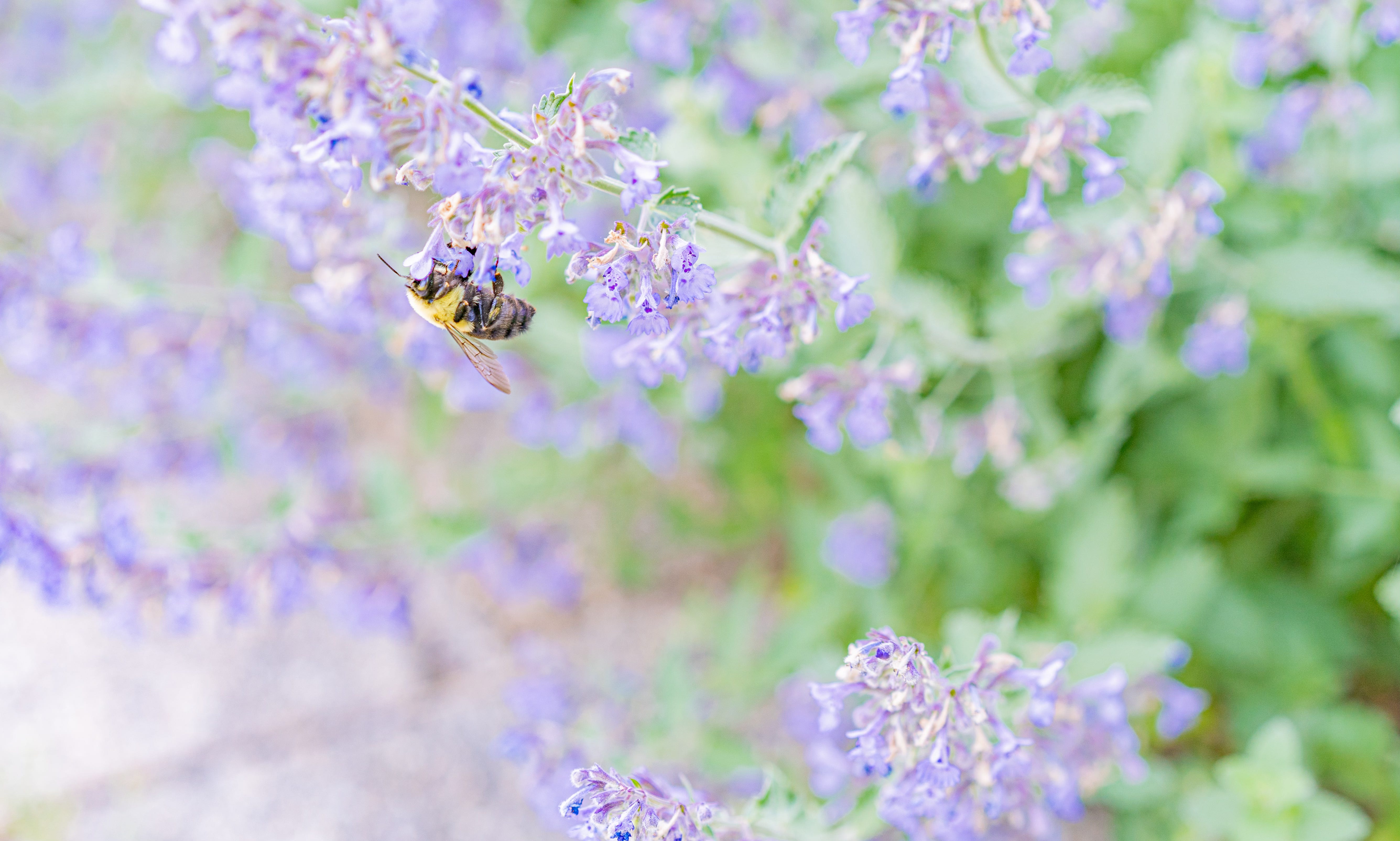
Instead, I find myself dreaming of my garden beds, bursting with green plants and buzzing bees visiting each new flower. My heart has always lived close to nature, whether in the forest, the garden, or by the seaside. Planning my garden for the next growing season feels like a tiny, yet forceful rebellion against the cold.
Growing Up Outdoors is Where My Love of Gardening Began
Growing up in Boston, I was incredibly lucky to live on over an acre of rocky, scrubby-oak and maple forested land. The very back of the property abutted an old graveyard (spooky, yet beautiful and perfect for evening adventures), and my house was once the small office building of an old quarry.
Small is the most accurate way to describe my childhood home, and because of it, I spent most of my time outside exploring. I rambled endlessly. Picking wild blueberries, uncovering old quarry iron stakes used to crack massive slabs of rock scattered throughout my “yard,” treasure-hunting through old coal piles for broken bits of Victorian-era china, and making too many mud pies to count.
Each summer, we eked out a small garden filled with sweet cherry tomatoes, green beans, onions, lettuce, and peppers. At the time, I didn’t realize the garden was teaching me two essential lessons; where food really comes from and how growing it ourselves helped save money on produce in the city.
My Garden Today Focuses on Herbs and Flowers
These days, my gardening skills are a little more casual. Herbs, along with both edible flowers and cut flowers, are my true love. I always have at least three varieties of basil growing in pots or planters, and thyme, sage, and chamomile flowers reliably make their way onto my February/March list of plants I can’t wait to grow in the spring.
Used in cooking and cocktails, home remedies, and pretty little micro bouquets, herbs are one of the easiest and most rewarding ways to start a home garden. In the sections ahead, I’ll share the best and easiest herbs to grow at home, perfect for anyone dreaming of spring while winter still lingers.
Why Growing Herbs at Home Just Makes Sense
Growing fresh herbs yourself is one of the simplest ways to bring more flavor and beauty into your everyday cooking. Herbs are budget-friendly, beginner-proof, and surprisingly hardy. Most plants will keep producing all season long with very little effort. You don’t need a sprawling garden to get started, either. A few pots on a patio, balcony, or sunny windowsill are more than enough to create a thriving container herb garden.
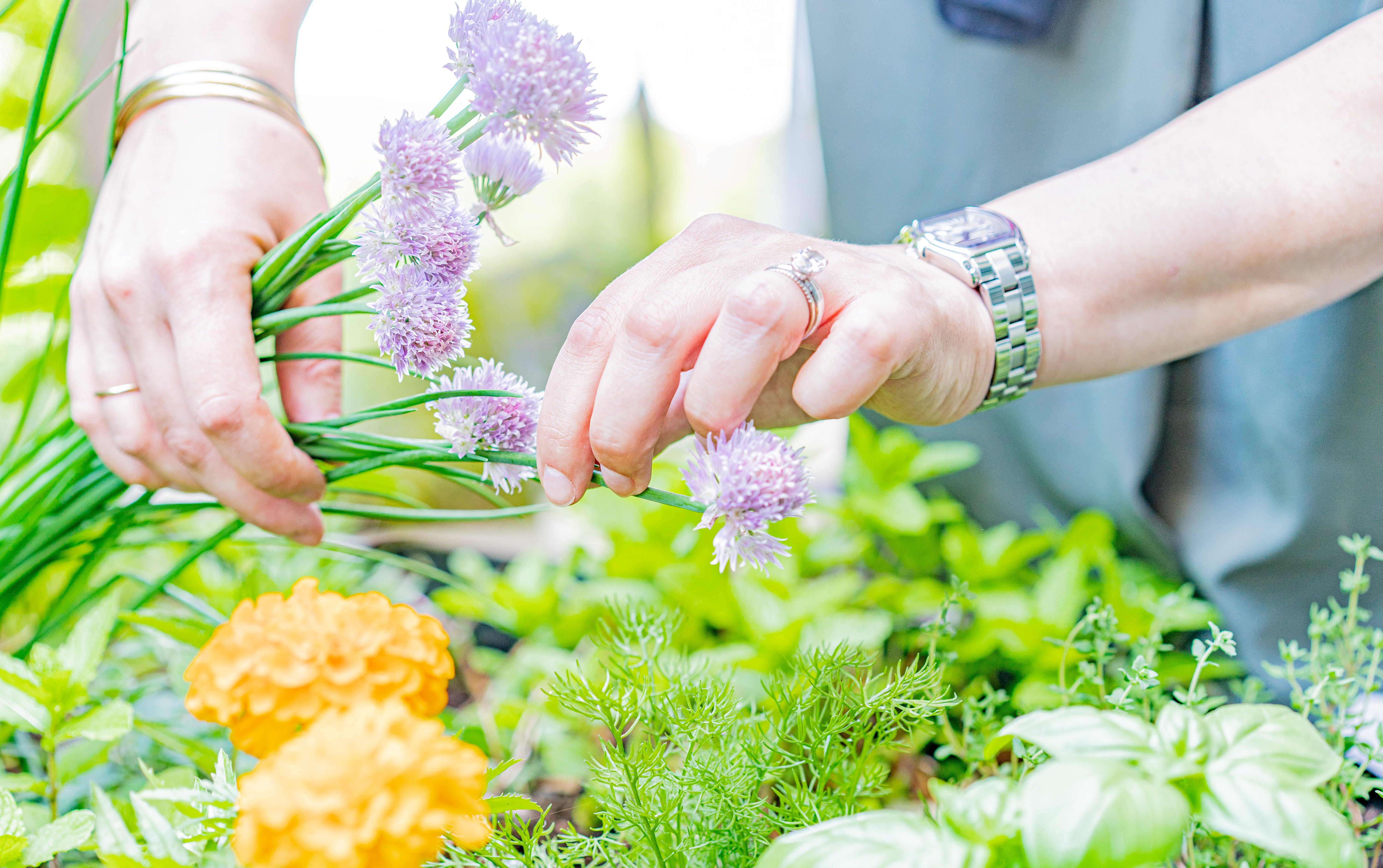
There’s also something deeply satisfying about stepping outside and snipping a few stems of basil, thyme, or chives just moments before dinner. It adds instant fragrance and personality to a meal, and it’s far more earth-friendly than buying plastic clamshells of cut herbs that were harvested who-knows-when.
My Favorite Herbs to Grow
(And Why I Always Plant Them)
Over the years, I’ve learned which herbs earn their place in my garden every single season. These are the ones I reach for most often and they are the easiest to grow.
Basil
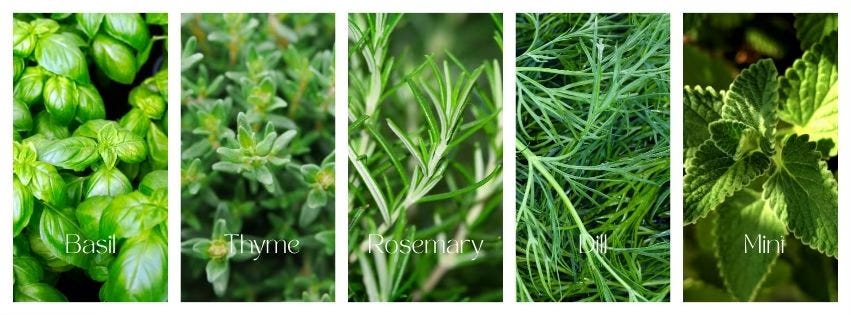
Basil is my #1 must-grow herb. From classic broad-leafed Italian basil to purple Thai sweet basil or micro basil varities, each brings something unique to the table. I usually grow two to three types at once for maximum versatility. Basil leaves shine in soups, sauces, and salads, while the flowers (often white or purple) are edible and surprisingly lovely as a garnish. To keep the plants lush and tall, pinch the stems leaves just above a node and harvest in the cool of the morning or evening.
Mint
Cool and refreshing, mint is a staple in drinks and dishes across countless cuisines, from Middle Eastern salads to Southeast Asian main dishes. I typically grow zippy peppermint, but chocolate mint and pineapple mint are wonderful for cocktails and cocktail simple syrup infusions. Because mint spreads so aggressively, it should stay contained in an individual pot or raised bed.
Dill
Dill is a super herb and one of those herbs where every part of the plant is useful! Fresh dill has a grassy and lightly citrusy aroma that elevates fish dishes, soups, salads, and roasted vegetables. It’s also gorgeous in dips and salad dressings (like creamy ranch). But, one of my favorite uses is adding it to chicken soup to create an unexpected depth of flavor.
Oregano
Oregano can be used for far more than just a pizza topping! This savory, slightly spicy herb plays a key role in pesto, chimichurri, and Mediterranean-influenced marinades. Greek oregano is bold and classic, while marjoram offers a milder option for poultry-based dishes. Oregano thrives in warm and dry conditions, and makes an excellent ground cover in sunny garden beds.
Thyme
Hardy and wonderfully fragrant, thyme is one of the easiest herbs to use and grow. I love English thyme for savory cooking and lemon thyme for lighter veggie & fruit based dishes, cheese boards, and even desserts. Thyme works beautifully in soups, stews, and roast meats. Fresh thyme earns its spot in my garden, year after year!
Sage
Often associated with Thanksgiving, sage has a much broader culinary use than it’s given credit for. Its soft, fuzzy leaves add depth of flavor to meats, marinades, and even cocktails. Beyond garden sage, varieties like pineapple sage and golden sage offer sweeter notes that complement sweeter fruitier flavors as well as savory.
Rosemary
Rosemary is a woody evergreen-like shrub with spiky leaves and an unmistakable piney scent. Native to the Mediterranean part of the world, it’s drought-tolerant and more resilient than most tender green herbs. Rosemary works just as well in roasted meats and vegetables, as it does infused into syrups or baked into breads.
A Fresh Rosemary Recipe for Inspo!
Kick Boring Mocktails to the Curb; How to Create Beautiful Low-Alcohol & Alcohol-Free Drinks at Home

Welcome! My name is Jessie-Sierra, and I’m a former ballerina turned cookbook author and food TV host, who believes in connecting through hospitality - creating food and hosting experiences that leave lasting memories with those we love! I craft original recipes, stories, and gatherings, while adding a touch of beauty to the everyday.
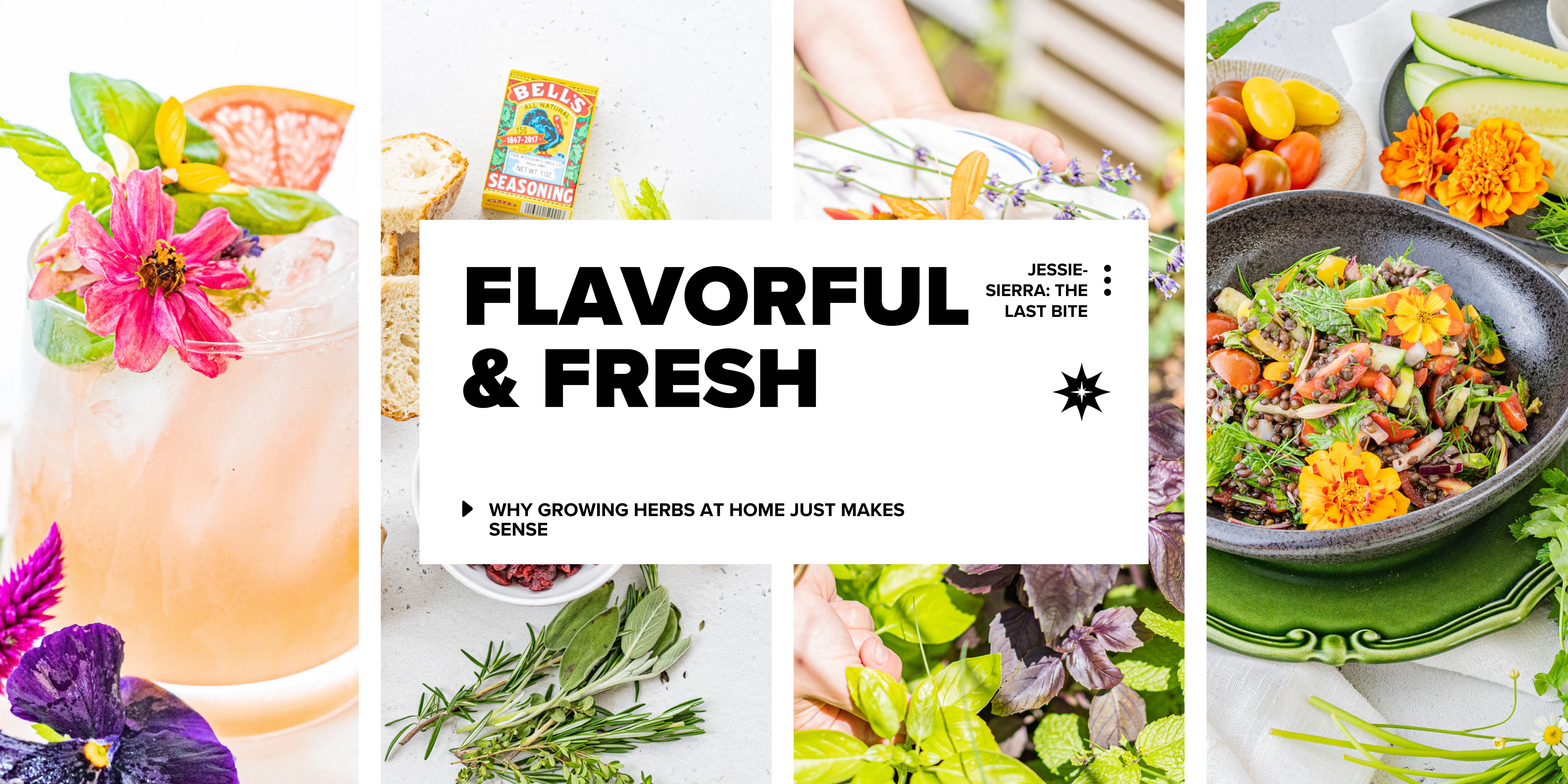
Check out this Rosemary Grapefruit Mocktail!
Is It Really Cheaper to Grow Your Own Herbs?
In my experience, absolutely, especially if you cook with fresh herbs often. Most varieties of green herbs are self-replenishing, which means one small plant can replace dozens of store-bought containers over the course of a growing season.
To give you a real-world comparison….
One small container of fresh thyme costs about $2.60 where I live and might last five days in the refrigerator. A healthy thyme plant from the garden center costs around $6. While the initial investment is higher, that one plant will keep producing all summer long. In fact, in many growing climates, that same thyme plant will sprout up the next season too. For heavy herb users (me included), the savings add up super quickly. And as a bonus, you can dry or freeze in oil, any extra herbs at the end of the season to use throughout the winter months.
The quality is unmatched as well. Nothing compares to the flavor of herbs picked fresh from your own garden.
What You Need to Know to Grow Herbs Successfully
Herbs thrive when they’re given space, both above and below the soil. I’m a big fan of container gardening, but I always opt for generously sized pots, especially when planting multiple herbs together. Crowded herbs tend to stay small and struggle to flourish.
Some herbs also need to be “contained” for the sake of the rest of your garden. Mint, for example, can spread voraciously through your garden using underground runners and can quickly take over a garden bed if left unchecked. Rather than letting it spread like a pleasant-smelling garden menace, plant mint in its own large pot and enjoy mojitos, iced teas, and garnishes all summer long without any worries.
One bonus tip! Used coffee grounds make a fantastic and gentle fertilizer for herbs and garden beds alike.
Be sure to grab a garden guide, to help as well! I grew up reading Martha Stewart’s gardening books and Crockett’s Victory Garden, where they shared varieties, helpful tips, and even recipes to enjoy!
Common Mistakes People Make When Growing Herbs
Like any indoor or outdoor plant, fresh herbs need a bit of care to really reach their growing potential. The most common problems tend to stem from improper watering, poor drainage, or lack of sunlight. Most herbs prefer at least six hours of sun per day and soil with good drainage to prevent root rot.
A funny thing about herbs is that some varieties HATE sharing space with other plants.
Varieties like dill, for example, just aren’t great neighbors and can make it harder for sage, parsley, and lavender to really thrive. Others types do their best work when planted together. Certain herbs can actually help their garden friends grow lush, especially when they’re growing side by side in the same bed. Cucumbers are happiest next to dill and chives, while kale loves cozying up to sage! The wild reason?! The herb’s scent helps keep bugs at bay.

If You’re Ready for More, My Cookbook Has You Covered
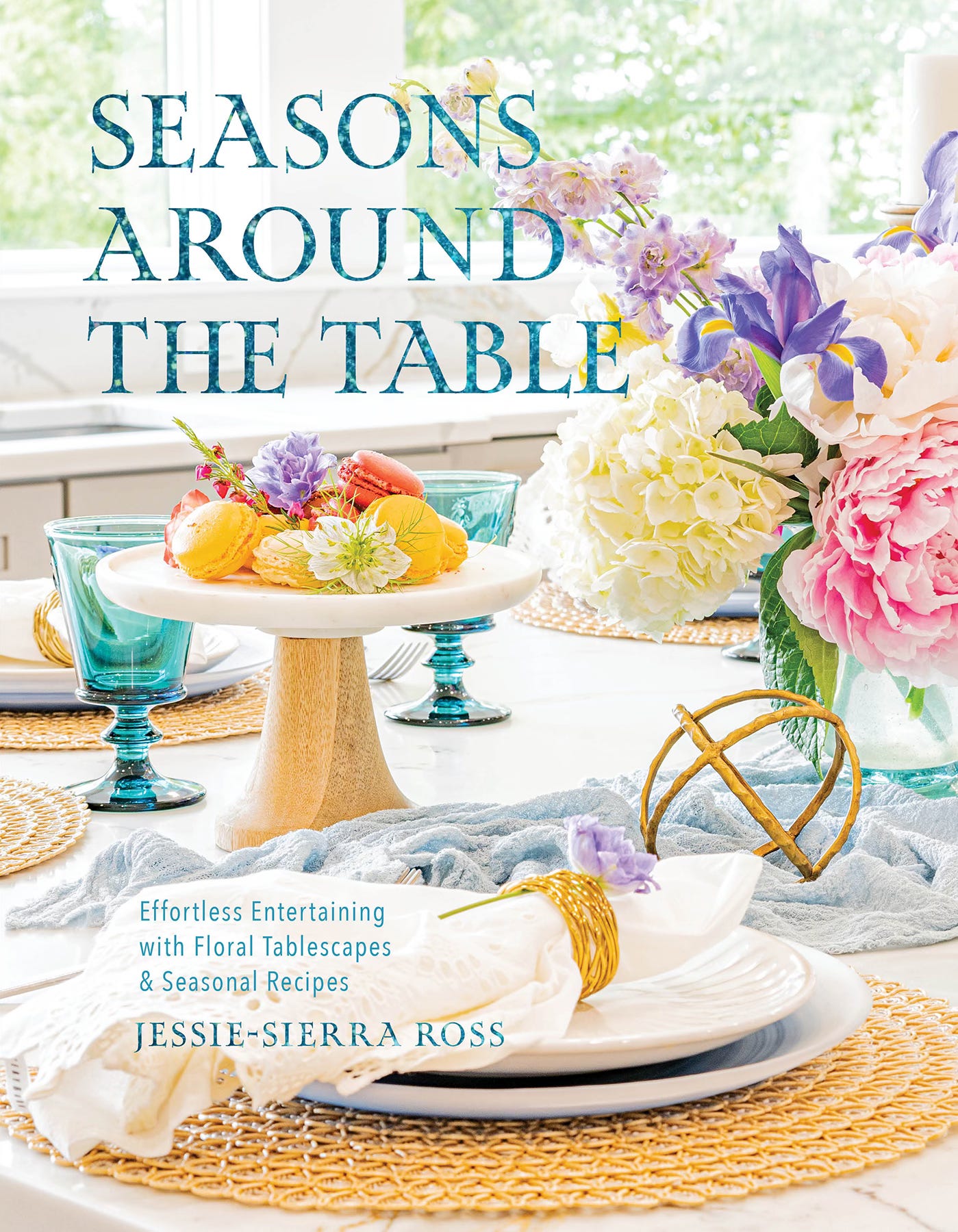
If my little herb garden rabbit hole has you thinking, “wait, I could actually do this”, then I have some good news. I go much deeper into herbs and their edible flower counterparts in my cookbook, Seasons Around the Table. It’s where I share how I actually use these plants in real life cooking and on the table.
The book is less about perfection, and more go outside, snip what’s growing, and make something beautiful. You’ll find approachable recipes, seasonal menus, and plenty of ideas for using herbs and edible flowers in ways that feel effortless but still special. Think of it as your permission slip to play with your food… straight from the garden!
Get Your Copy Here!